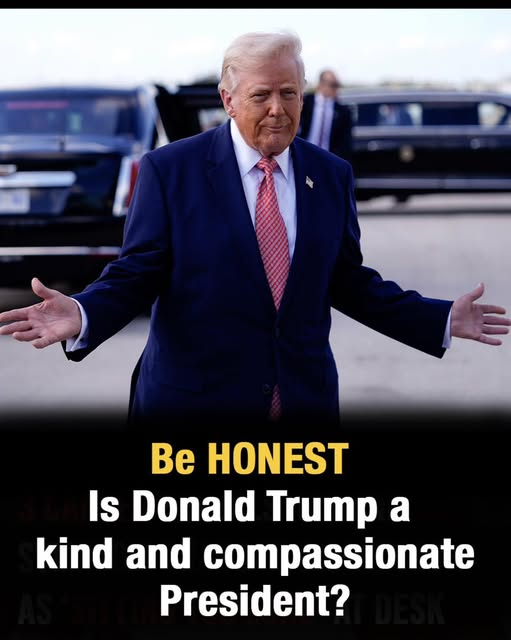
The question of whether Donald Trump can be described as a kind and compassionate president is one that continues to generate strong and divided opinions, both within the United States and around the world. Supporters often point to his direct communication style, his emphasis on national pride, and policies they believe benefited the economy, such as tax reforms and job growth initiatives. They argue that his approach to leadership, while sometimes blunt, reflected a desire to prioritize American citizens and address concerns that had long been overlooked by traditional politicians. In their view, compassion can take the form of protecting national interests, enforcing laws, and striving to create economic opportunities that improve people’s lives.
On the other hand, critics argue that compassion in leadership is not only measured by policy outcomes but also by tone, empathy, and the ability to unify people. They highlight instances where Trump’s rhetoric was seen as divisive or insensitive, particularly regarding immigrants, minority groups, and political opponents. For these critics, a compassionate leader should consistently demonstrate understanding, respect, and inclusiveness, especially during times of crisis or social tension. They believe that words matter just as much as actions, and that leadership should aim to bring people together rather than deepen divisions.
Additionally, Trump’s handling of major events during his presidency, such as natural disasters and the COVID-19 pandemic, is often brought into this discussion. Supporters may argue that his administration took decisive actions and that he focused on maintaining economic stability during challenging times. Critics, however, question whether his responses showed enough empathy toward those who were suffering, emphasizing moments where his communication style appeared dismissive or lacking emotional sensitivity.
It is also important to recognize that perceptions of kindness and compassion are subjective and often influenced by personal values, political beliefs, and cultural expectations. What one group interprets as strength and honesty, another may see as harshness or insensitivity. This makes it difficult to arrive at a single, universally accepted answer to the question posed in the image.
Ultimately, evaluating whether Donald Trump was a kind and compassionate president depends largely on how one defines those qualities in leadership. Some prioritize results and decisive action, while others emphasize empathy, unity, and respectful communication. The debate itself reflects broader conversations about what people expect from their leaders and how they measure character in positions of power.