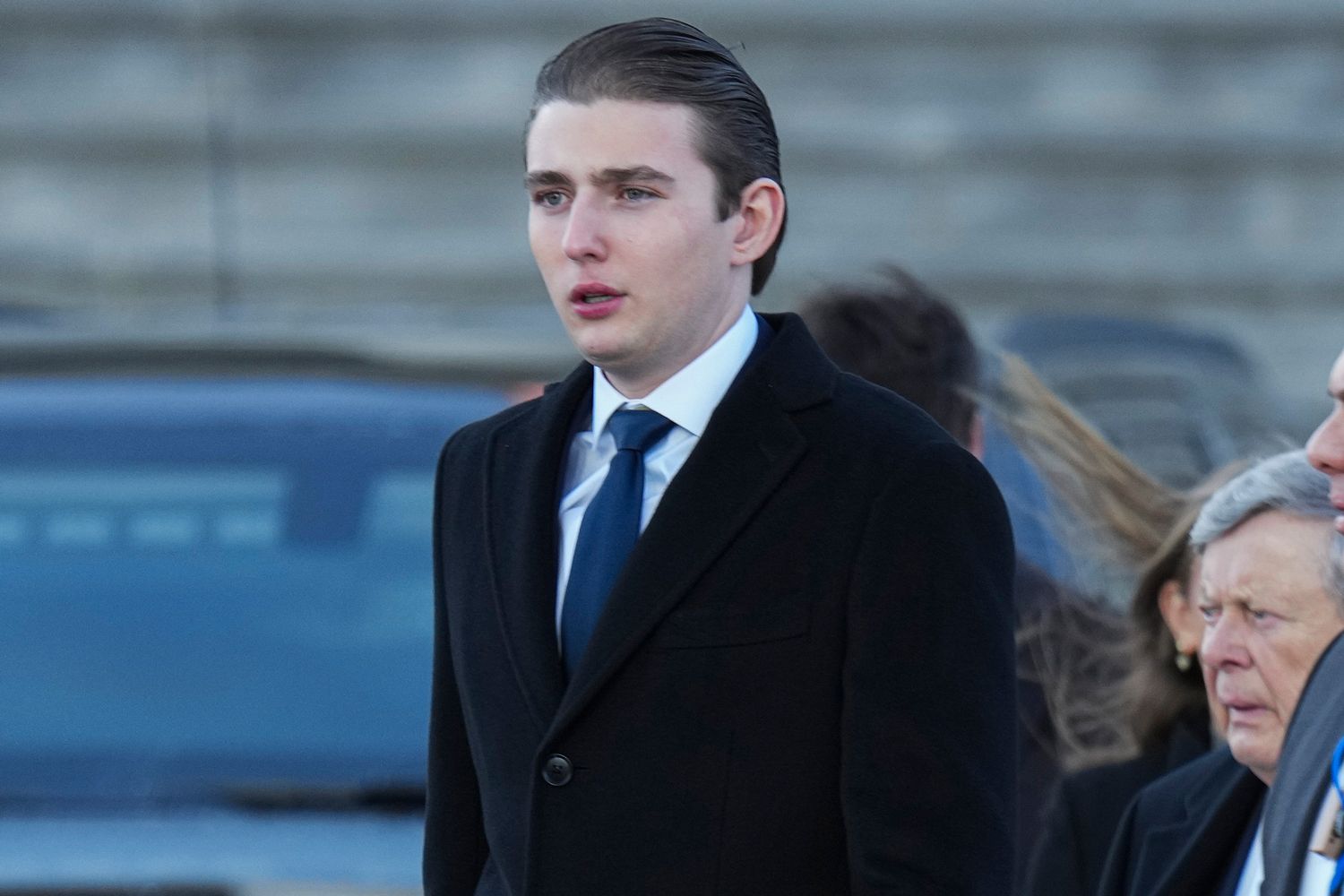
A Quiet Absence That Spoke Volumes
In the fall of 2025, the bustling campus of New York University’s Greenwich Village was missing one of its most high-profile students. Barron Trump, the youngest son of Donald Trump, was expected to begin his sophomore year alongside thousands of others. Instead, a week passed with no sign of him in lecture halls, dorms, or dining halls. His absence set off whispers across campus, then headlines across the country.
For most students, the start of the semester is marked by fresh notebooks, late-night pizza runs, and nerves about fitting in. For Barron Trump, it became a test of survival in a world that refused to treat him like any other 19-year-old.
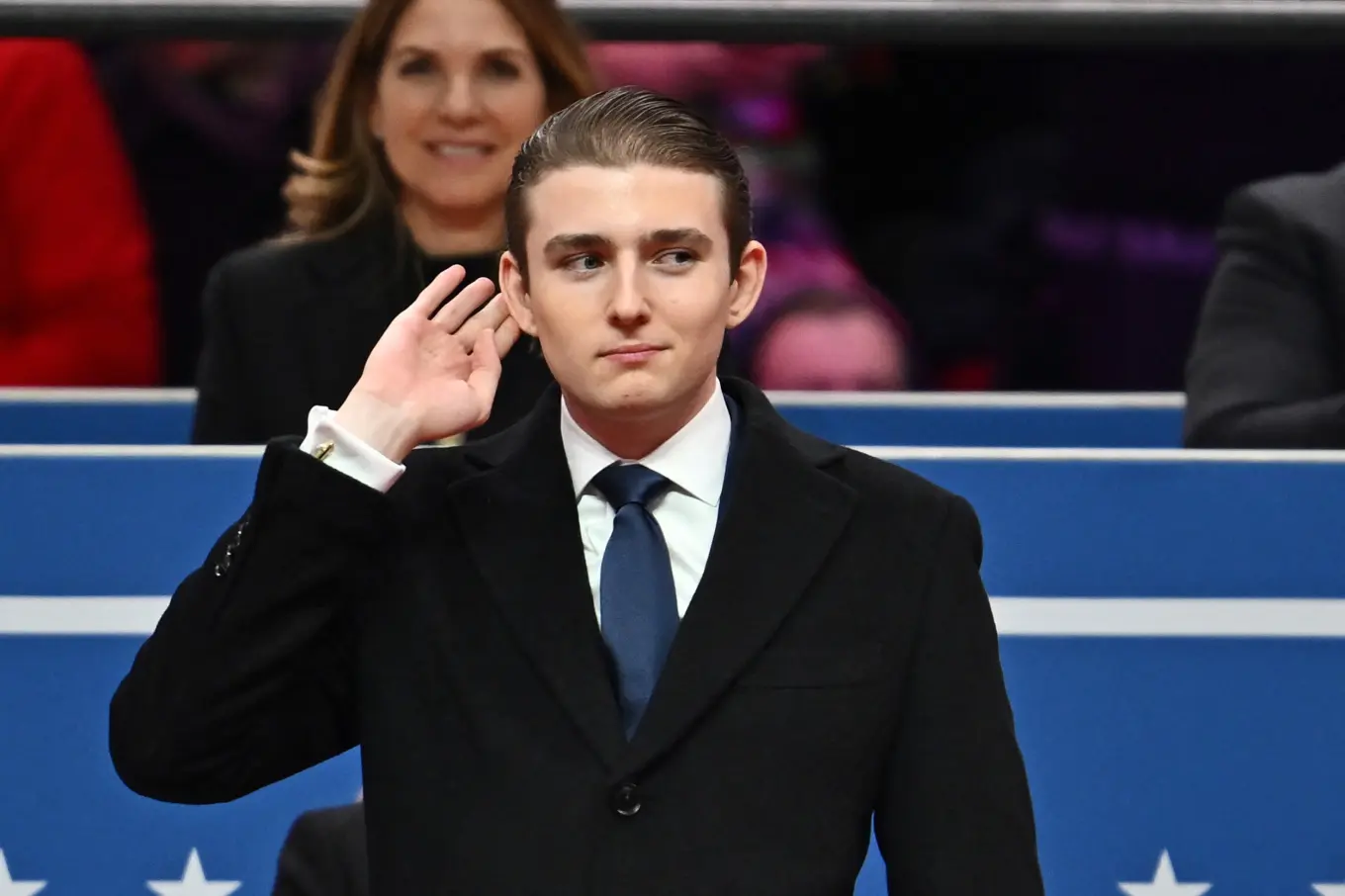
The Weight of a Legacy
The Trump name has always been both shield and burden. For Barron, it meant Secret Service agents trailing him through NYU’s village streets, curious classmates angling for photos, and constant media speculation about his every move. According to security staff, the strain became untenable. His presence drew attention that made him, and those around him, targets of scrutiny.
What should have been a formative, ordinary college experience quickly turned into an ordeal. Reports suggest Barron relied on online gaming platforms to communicate with peers, using digital avatars to make friends in ways that shielded his identity. He could not even trust a simple text message, wary of leaks or betrayal.

A Father’s Fatal Misstep
For Donald Trump, the challenge of shielding his son collided with the public image he sought to project. Sources close to the family suggest decisions about Barron’s education were entangled with political calculations — where visibility meant vulnerability, but withdrawal looked like weakness.
It was a fatal mistake of perception. By pushing his son into the spotlight of a city campus, the former president underestimated the toll of fame on youth. What played out was not merely a logistical problem of security, but an emotional fracture. Barron was forced to step away — not by choice, but by the sheer weight of being a Trump in America.
The Double-Edged Sword of Prominence
For older generations watching this unfold, it carries echoes of history. We remember the Kennedys shielding their children, the Windsors struggling under crowns they never asked to wear. In every era, the children of power carry scars that never make it into speeches or headlines.
Barron Trump’s departure from NYU’s main campus was not simply a move to another location, whether Washington, Abu Dhabi, or Shanghai. It was a reminder that privilege does not protect against isolation. Wealth and power can open doors, but they can also lock a young man inside walls he never built.
A Son, Not a Symbol
The story of Barron at NYU is not really about politics. It is about a teenager caught between legacy and longing — between the duty of a family name and the desire to simply be young. To many in the 45–65 generation, who have raised children and grandchildren through the turbulence of modern life, it is a sobering recognition: the higher the pedestal, the lonelier the climb.
Barron’s story isn’t over. But this chapter is a lesson — that the children of the powerful often pay the quietest, most personal price.