
In today’s world, there is no shortage of myths and misconceptions about the human body, especially regarding how certain physical features may correlate with aspects of a person’s health. One common belief is that certain body characteristics, like breast size, can indicate hidden physiological traits such as fertility, health. But how much truth is there to these assumptions? In this article, we’ll explore the science behind these myths and debunk the misconceptions surrounding body features and health.
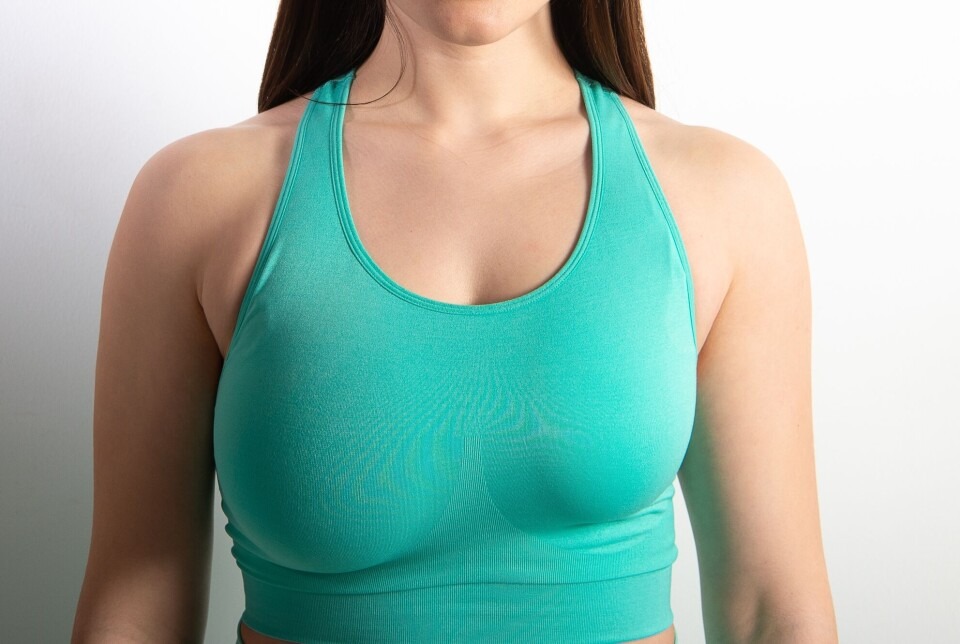
From a medical perspective, breast size and vaginal anatomy are influenced by entirely different factors. Breasts are primarily composed of fatty tissue, connective tissue, and milk glands. Their size is determined by genetics, hormonal levels, body fat distribution, age, and life events such as pregnancy or weight changes. The vagina, on the other hand, is a muscular, elastic organ designed to adapt and change throughout a woman’s life. Its structure and function are shaped by muscle tone, connective tissue, hormones, and overall pelvic health—not by external body features like breasts.
The idea that visible traits reveal hidden anatomy comes from outdated beliefs that attempted to judge women’s bodies as a whole based on isolated features. Historically, this thinking was rooted more in social bias than science, often used to objectify women or oversimplify female biology. Modern medical research strongly rejects these notions. There is no scientific evidence linking breast size to vaginal tightness, looseness, fertility, or sexual function. Each system of the body develops independently, even though hormones like estrogen affect multiple areas at once.
Fertility, another trait often incorrectly associated with physical appearance, is influenced by a complex mix of factors including ovulation, reproductive organ health, age, genetics, and overall wellness. Breast size does not predict reproductive capability, just as body shape does not guarantee hormonal balance or sexual responsiveness. Many women with smaller breasts conceive easily, while some with larger breasts may face fertility challenges—and vice versa. Biology does not follow stereotypes.
It is also important to understand how the vagina functions. Vaginal muscles are highly elastic and responsive. They expand, contract, and adapt based on arousal, childbirth, age, and muscle strength. These changes occur internally and are not reflected externally. This adaptability is a sign of health, not a flaw. When misinformation suggests otherwise, it can cause unnecessary anxiety, body shame, or unrealistic expectations that harm self-image.
Social media and entertainment have amplified these myths by presenting simplified, often exaggerated narratives about bodies. While curiosity about anatomy is natural, problems arise when myths are presented as facts. This reinforces harmful comparisons and places pressure on women to fit imaginary standards that have no scientific basis.
Ultimately, the human body does not operate as a set of visible clues revealing private physiology. Each woman’s body is unique, shaped by countless variables working together. Understanding this truth encourages healthier conversations about anatomy—ones grounded in education rather than assumptions. When we replace myth with knowledge, we not only improve body literacy but also foster respect, confidence, and autonomy for women of all shapes and sizes.